Our Participants
Over the years, people of all ages, backgrounds, and identities have boarded Mifrasim’s boats. Many of them have preferred not to turn to traditional therapy, whether because of the stigma, cost, lack of access, or simply because sitting on a couch in a closed room and talking does not feel right for them

Bereaved Families
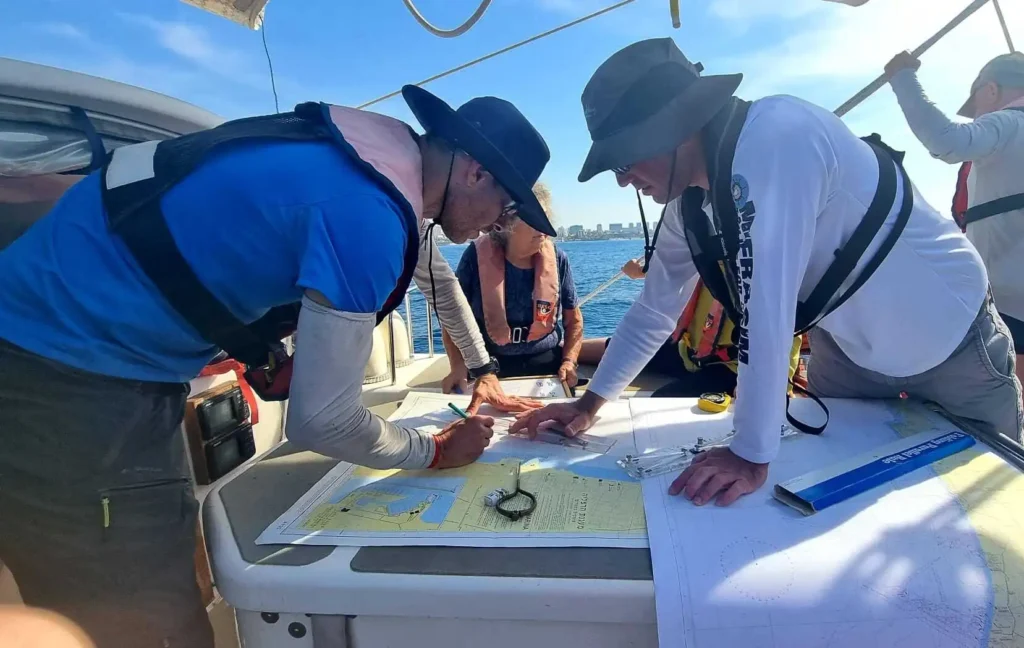
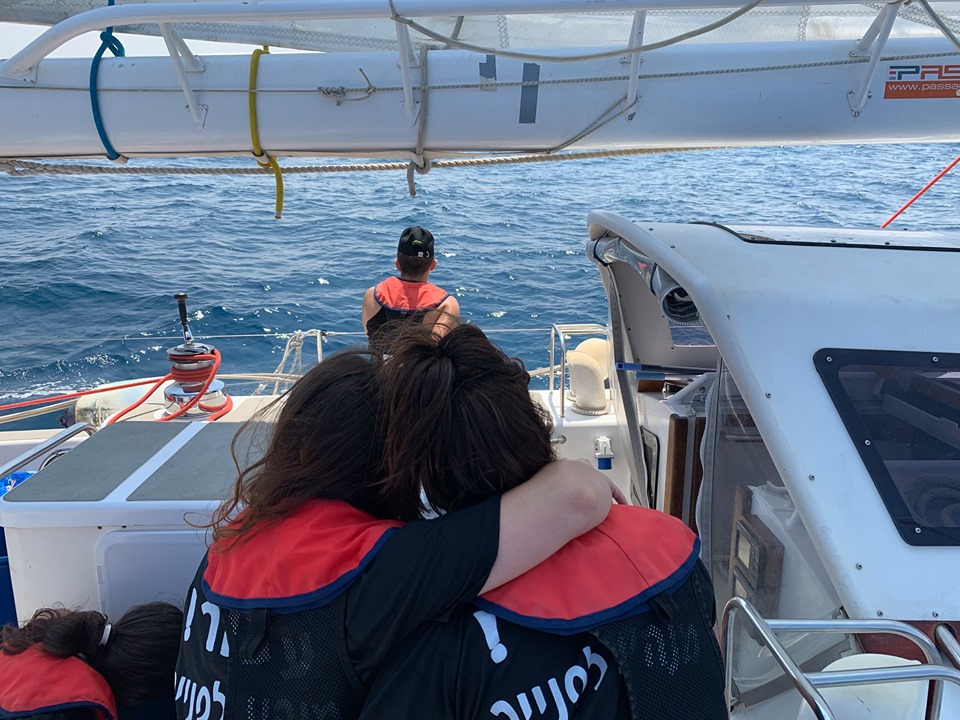
Brothers and sisters, parents, partners — all those facing a recent loss or carrying years of grief find one another on deck. Differences of age and circumstance fade; something about the wide-open spaces at sea makes it possible to connect at the most human level.
The support groups for bereaved families meet every two weeks over the course of an entire year. The encounter with the wind, the sea, and the group environment creates a space where participants move between extremes — from the paralyzing pain that only those who share it can understand, to the deep need to move on, to continue living.
So far, more than 20 groups of bereaved families have completed our annual program with us, in partnership with nonprofits including Yad Labanim, the IDF Widows and Orphans Organization, the Organization of Victims of Hostilities and the Elah Center.
The feedback we have received confirms what we witness on deck: By the end of the process, participants report a heightened feeling of optimism, fewer moments of loneliness, and a sense of empowerment and agency
Active-duty Soldiers and Reservists
Even before the October 7th war, Mifrasim’s sailing programs served as fertile ground for IDF combat units to reflect on their experiences together. The recent war has intensified the need for meaningful, collective processing of battleground experiences in innovative ways. A journey at sea offers such soldiers a rare therapeutic opportunity that combines action and adrenaline with emotional growth.
“I didn’t come here to talk, I came to sail.” For us, that comment by a soldier is an invitation. This is a person who, most probably, will not seek traditional therapy. Each such participant, at their own pace, even if only by listening to their comrades in arms, will be drawn into the process.
The space and dialogue onboard allow participants to express and normalize their feelings, make sense of their experiences, and translate and process what they are going through for themselves and, when ready, for their families.
Hundreds of soldiers from a range of units have joined us in such programs, and 95% have said they would recommend the experience to others
Trauma survivers
Trauma survivors and people facing complex life challenges find a safe space on deck, one that offers security, perspective, and room to breathe. The journey at sea helps them reconnect with their inner strengths and experience a renewed sense of agency and belonging. Working together as a group in the open water strengthens both personal and community resilience.
Youth
Mifrasim’s youth programs cater to different populations. These include youth villages, residential programs, and boarding schools for youth at risk. Others arrive from young leadership programs, gap-year frameworks, and pre-army preparatory programs.
Some of them are curious about our work, some are hesitant, but once they step on deck, something begins to shift. They take the helm, help with the ropes, and steer a 50-ton steel vessel with their own hands. Each one has a role and a responsibility. The work of the collective depends on the contribution of every person.
Hundreds of young people have taken part in this process aboard Mifrasim’s boats. 84% of the professional staff who accompanied them reported a clear, positive change in the participants’ capabilities, functioning, and behavior over time
Young Adults on the Autism Spectrum
Sailing a boat as a group requires communication, cooperation, and flexibility. For young people on the autism spectrum, Mifrasim’s sailing sessions provide a safe and structured environment where they can gradually step outside their comfort zone, discover abilities they may not know they have, and develop teamwork and collaborative skills. After confronting physical and mental challenges at sea, these young people carry the capabilities they have developed into their adult lives
Bereaved Families
Brothers and sisters, parents, partners — all those facing a recent loss or carrying years of grief find one another on deck. Differences of age and circumstance fade; something about the wide-open spaces at sea makes it possible to connect at the most human level.
The support groups for bereaved families meet every two weeks over the course of an entire year. The encounter with the wind, the sea, and the group environment creates a space where participants move between extremes — from the paralyzing pain that only those who share it can understand, to the deep need to move on, to continue living.
So far, more than 20 groups of bereaved families have completed our annual program with us, in partnership with nonprofits including Yad Labanim, the IDF Widows and Orphans Organization, the Organization of Victims of Hostilities and the Elah Center.
The feedback we have received confirms what we witness on deck: By the end of the process, participants report a heightened feeling of optimism, fewer moments of loneliness, and a sense of empowerment and agency
Active-duty Soldiers and Reservists
Even before the October 7th war, Mifrasim’s sailing programs served as fertile ground for IDF combat units to reflect on their experiences together. The recent war has intensified the need for meaningful, collective processing of battleground experiences in innovative ways. A journey at sea offers such soldiers a rare therapeutic opportunity that combines action and adrenaline with emotional growth.
“I didn’t come here to talk, I came to sail.” For us, that comment by a soldier is an invitation. This is a person who, most probably, will not seek traditional therapy. Each such participant, at their own pace, even if only by listening to their comrades in arms, will be drawn into the process.
The space and dialogue onboard allow participants to express and normalize their feelings, make sense of their experiences, and translate and process what they are going through for themselves and, when ready, for their families.
Hundreds of soldiers from a range of units have joined us in such programs, and 95% have said they would recommend the experience to others
Youth
Mifrasim’s youth programs cater to different populations. These include youth villages, residential programs, and boarding schools for youth at risk. Others arrive from young leadership programs, gap-year frameworks, and pre-army preparatory programs.
Some of them are curious about our work, some are hesitant, but once they step on deck, something begins to shift. They take the helm, help with the ropes, and steer a 50-ton steel vessel with their own hands. Each one has a role and a responsibility. The work of the collective depends on the contribution of every person.
Hundreds of young people have taken part in this process aboard Mifrasim’s boats. 84% of the professional staff who accompanied them reported a clear, positive change in the participants’ capabilities, functioning, and behavior over time
Young People on the Autism Spectrum
Sailing a boat as a group requires communication, cooperation, and flexibility. For young people on the autism spectrum, Mifrasim’s sailing sessions provide a safe and structured environment where they can gradually step outside their comfort zone, discover abilities they may not know they have, and develop teamwork and collaborative skills. After confronting physical and mental challenges at sea, these young people carry the capabilities they have developed into their adult lives